Wednesday, April 23, 2014

Predator/Prey Lab Graph


The purpose of this lab is investigate how populations are affected by predator-prey relationships over several generation. The following data shows the populations of wolves relative to the population of rabbits over 20 generations. As the population of the wolves decreased, the population of the rabbits increased and vice versa. The trend in the graph developed from the data we gathered showed that as the number of predators increased, the number of prey decreased. Over the generations after that, the number of predators would decline due to lack of prey. As a result, the number of prey would increase because of the lack of predators. This trend of predator and prey population would oscillate relative to each other.

Tuesday, April 22, 2014

Biome Disaster: Toxic Waste Spill


A waste spill in the Boreal Forest would devastate and tip the balance of life dependent on the forest.

A few years ago, a toxic waste spill in northern Alberta killed off 42 hectares of the boreal forest. The amount of oil that suffocated the environment was enough to cover 50 football fields. Every tree and plant in contact with the waste died. Waterfowls may have been killed off as well, the spill being in a wetlands region of the Alberta boreal forest. The toxic waste contained crude oil, hydrocarbons, high levels of salt, sulfuric compounds, metals, naturally occurring radioactive materials, chemical solvents, and additives used by the oil industry.


Waste spills in the boreal forest destroy entire ecosystems, produce lake-sized chemical waste, releases toxins, and emits a significant amount of global warming pollutants (more than conventional oil).

Alberta's boreal forest is critical to the survival of the Canadian Lynx. The toxic spill would push the lynx out of its environment, endangering its existence.

Fish and Wildlife conservation officers killed 145 black bears after they were habituated to garbage in the oilsands region.

Canadian officials are also poisoning wolves to make way for the caribou habitat that is threatened by tar sand fuel extraction.

The tar sand oil operations create toxic dumps filled with excess chemicals and oils calling "tailings pond." To birds, they look like a safe place to land. Unfortunately , hundred of birds met their demise with a slow painful death from these sludge pits.

Moose meat tested high in arsenic and carcinogens created by oil mining, endangering the health of anyone or any predator who depends on moose for survival.

Woodland caribou are being driven to the brink of extinction because their habitat is being threatened.

Oil companies require a large amount of water, disrupting the natural cycle of of rivers and surrounding watersheds, endangering many species of fish.

Toxic waste spills devastate every part of the boreal forest because the spills destroy entire ecosystems, affecting every living organism.

SOURCES

National Wildlife Federation

Yahoo News


Thursday, April 17, 2014

The Boreal Forest (The Taiga)

https://blogger.googleusercontent.com/img/proxy/AVvXsEj32cdB2N1s9Gf20XBV4tTxYXu_Iu-0xATpU4XtcRREkhqPV1DWZzhZtW1JB2UeOQkPpn-TyPrZ_Uo7g9Zv3zaW7jvHBcKlIWrdSrwNKv7-obT7gEUMz1_O0Go5JXVFhJENbLFK5cpL7Av4O-jwx6yr7_NtgCVL5BcaZOSgshFAaP2HfusDWLCv5laxLaL4K9gBHn7ym-T2PPyExYZgT3eSWYzrv6O6UGITNqVgloez=

The Boreal Forest is characterized as a biome consisting exclusively of evergreen and coniferous trees. It encircles the earth in far-northern latitudes just below the arctic tundra and just above the deciduous forests and grasslands of the temperate zone. It is the largest terrestrial ecosystem (surpassing the Amazon Rainforest) and remains largely undeveloped. Many people also visit the Boreal Forest just to witness the dancing Aurora Borealis (Northern Lights) in the sky.

https://blogger.googleusercontent.com/img/b/R29vZ2xl/AVvXsEgtFZ6ZAa0jbwDzoR019RLXk8QOBqGdON8UCD4p4OCsH8Lc8Pe7u4RzlGZRahsi3we3ZYeeKAL_0e7NgJu2lCBw7Hkc1LSGiiqND0om3ovTuGlRjQuysmrO5sgDCJwonByUK37AsZwOutwh/s400/mosaic.jpg

LOCATION
http://www.nrdc.org/land/forests/boreal/images/map.gif

ABIOTIC FEATURES

Soil/Minerals.

One might expect the soil conditions in a forest to be fertile and booming with life. However, the the soil in the boreal forest is frozen about 5 to 7 months of the year. Further more, the soil is highly acidic due to fallen conifer needles that accumulate on the forest floor. This, in turn, also provides poor nutrition to vegetation, limiting the types of vegetation that are able to prosper in these soil conditions. When the soil isn't frozen, it's swampy and marshy because the snow melts in late spring followed by heavy rainfall in the short summers that keep the water from being able to completely evaporate.

Precipitation
http://www.skolaiimages.com/journal/wp-content/uploads/2010/11/09_NOV52091.jpg

The boreal forest receives about 8 to 79 inches of precipitation a year, mostly in the form of snow and in the form of rain in the summer.

Air                                                                      http://www.borealbirds.org/images/carbon/piechart-carbon.png

The boreal forest does a fantastic job of purifying the air and regulating the regional climate. The boreal forest also enjoys the higher concentrations of carbon dioxide in our atmosphere due to our consumption of fossil fuels. It is one of the largest carbon reservoirs in the world. It has been enabling growth rates not seen in human history according to a new study. Geochemist Heather Graven of the Scripps Institution of Oceanography and her colleagues documents a dramatic spike in the flow of carbon dioxide into the forest. She states "Boreal Forests are more active than 50 years ago." Her and her colleagues also discovered that the ecosystems are changing (vegetation structures, compositions, photsynthesis timing, leaves, roots, wood) in response to the increasing levels of CO2.

Natural Occurings

Forest fires are extremely common and used to clean up the biome. This also includes the imfamous and beautiful northern lights.


Temperature


The boreal forest is prone to extremely long, harsh winters, and short, mild summers. The cold air blowing down from the arctic creates bitter winters, lasting more that half of the year. Temperatures in the winter oscillates wildly from a high of 30 to a low of -65 degrees Fahrenheit. In the summer, temperatures range from a high of 70 to a low of 30 degrees Fahrenheit. Temperatures usually remain below freezing for more that half the year. The average overall yearly temperature is 32 degrees Fahrenheit (freezing point).


https://blogger.googleusercontent.com/img/proxy/AVvXsEhcqvKqHN3rW4kgw517I8JR7Xo8cTSeLAbzvQwTzfQxiN3VpJaTRb1ULun11qGzy5zrerUKorHgTN69TBhL0XPv_38fjqgmyqF-q4U2ufVdITK15nm44Blm4eWBg4vBVPfofEftjHHRYulSEVF4rXdOU6lS3o6t8M05dD6ptelEkCROiLAd=


Sunlight

Because the boreat forest is located in the northern regions, it receives up to 20 hours of sunlight per day during the summer. While in the wintertime, the forest only receives a few short hours. The long days and mild temperatures during the summer abets and welcomes a rapid burst of plant growth. Unfortunately, the summer growing season only lasts for 3 months before the temperature begins to drop.


BIOTIC FEATURES


https://blogger.googleusercontent.com/img/proxy/AVvXsEg5KUskTU8xuhET5VgTiKWbe27Tf1l8VEf16AV53xC7Fhmwo7Dd7X9F9XzG6Vvv1zFMteGwuPFD7l4vxGQ41gIT_mJK7YRNp6GUGuuZ4P5wF4UCQoSV0-i-pNCg4TRXd2wVyQQ076bq0UCCoeH0LNkRUWpc9Q8bMEkv-3CG2HDzjVrSYTCxgw=

Producers

The producers include the evergreen trees, wild grass, wild flowers, deciduous shrubs, ferns, mosses, and lichens

Consumers

Carnivores: Felids (cats) such as the bobcat, lynx, and siberian tiger. Canids (dogs) such as wolves.\

Herbivores: Deer (elk), moose, arboreal (tree-living), porcupine, snow hare, rodents.

Decomposers

Decomposers: Soil bacteria, nematodes, worms, fungi, protozoans

FOOD WEB
https://blogger.googleusercontent.com/img/proxy/AVvXsEj09-_ve_-_ffmywfgabrAE2NAUQVZzOn88bOMVTwhUC4JPj_sKpQwlxdxCm0bHsxwn8nR-aUSmqdxL44bjdc-Cww3wyFkdKOXV8wo_fjyt4Hl61G-klIQUd7naiNiOCUAjzGuon0rI3xzpdfYMnTXls7IusEl9KUEkVtzA663E12hnza639_cnpxuxB1TzNKo26i0=

HUMAN INFLUENCE/ THREATS

Exploration and development of oil and gas reserves are the greatest threats to the boreal forest. With increased instability in the Middle East, high demand for fuel, efficient technology, people are pushing into the abundant amounts of petroleum reserves that lie in the forests. This is troublesome for the slowly growing coniferous trees.

Global warming poses a treat to this biome as well. As the planet warms the southern parts of the boreal forest, it becomes warm enough for deciduous trees to push north and out-compete the coniferous trees. The warmer weather has also fostered an increase in tree-damaging insects.

The logging industry (mostly in Siberia) also possesses a major threat to this biome.  Clearcutting has been a major concern as well. 90% of the products taken from the lumber of the boreal forest is exported. The forest is extremely slow paced in recovery. Large areas of the boreal forest have also been flooded for a  part of the hydroelectric project. Only 8% of the boreal forest is protected under law in Canada.

EVOLUTIONARY FEATURES                    http://www.world-builders.org/lessons/less/biomes/conifers/conif-for/tallconf.gif
conifers by an alopine lake
Coniferous trees are tall and narrow so that the snow is able to easily slide of the branches without breaking the branches from the weight. The trees grow close together in order to protect one another from the wind. Their tough needles resist frost and wind damage while conserving water. The trees also sport thick barks in order to protect itself from the damage of the summer fires. These trees use wind for pollination, taking advantage of their close set proximity. During the spring, the air is golden with pollen.

Many birds migrate as the winter comes, while other animals hibernate. Deer travel long distances in search of food. The snowshoe hare has evolved large paws for running over the snow, white fur (camouflage) for the winter, and brown fur (camouflage) for the summer.  Other animals bury beneath the snow to better insulate themselves from the winter cold. Because of the harsh environment of the boreal forest, there are fewer species of plants and animals. (amphibians and reptiles for example).

The long days during the brief summers allow an exponential amount of photosynthesis and plant growth. This also invites a burst in insect activity, which many birds that migrate to the forest during the summer, take advantage of. Since there are a fewer number of species that tolerate the climate of the forest, there is also reduced competition for the birds to forage for food and raise their young.

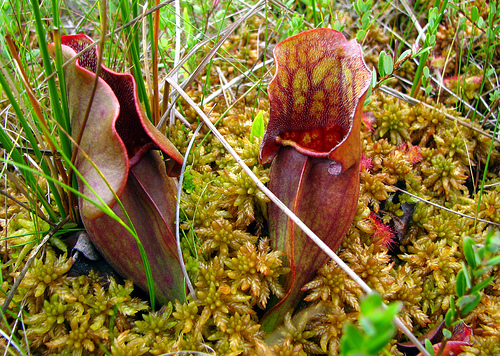
The acidic conditions caused by fallen conifer needles and poor nutrition on the forest floor spikes the competition in plants. In order to combat the small number of resources, some plants evolved to be carnivorous, use parasitism, and use mycorrhizae. 

https://blogger.googleusercontent.com/img/proxy/AVvXsEhe2D9scsLTup-RH6ou4Bc8G0ERSOLfs8MX_Cvx4vhqnEEiyIZCk4lZrkUyCC36lJULkvuaXRXnV5mwadvnYoV2eotpe4v8BBzddx3lBkktnXU9064_dj-1fQN35tIJOR-KIYevONMuWc8OdSdRQ27c7tnj2eqfelfe_OvRV9NoQohbTiEU6VVAnz-_HM7ZzEzqSZKBOAso=

Thank You! 

SOURCES

Scientific American

Bright Hub

Marietta Education

Wikipedia


Tuesday, April 15, 2014

Animal Behavior in Armadillidiidae (Pillbug) in Response to Environmental Changes


ABSTRACT: 
In this lab, animal behavior relative to the organism's environment is being observed. In this experiment, Armadillidiidaes (pillbugs) are observed in order to find out their preferences on types of environment. Humidity and acidity/taste are used as two of the factors in this experiment. The results showed that the pillbugs tend to prefer a more moist environment to a dry one. It also revealed that pillbugs highly prefer environments without acidity (basic)

INTRODUCTION:  
Behavior is the way in which one acts or conducts oneself in a set environment. Proximate and ultimate causes also apply to animal behavior. Proximate cause is the immediate trigger for a certain behavior in an animal. Ultimate cause is the evolutionary purpose or reason the animal behaves the way it does. For example in bird song, "why is the bird singing?" would be a proximate question for that certain behavior. An ultimate question for the same behavior would be "what is the evolutionary purpose for a bird to sing?"


http://www.showziji.com/wp-content/uploads/2014/03/wallpapers-bird-singing-animals-nature-landscapes-images-singing-birds-hd-wallpaper.jpg

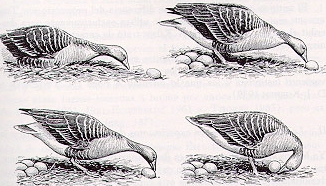
In ethology, a fixed action pattern is the instinctive behavior that is unchangeable and invariant. These behaviors are produced by a neural network called the innate releasing mechanism in response to an external sensory stimulus called the sign stimulus. This type of behavior is "hard-wired" and instinctive in the animal. 

http://www.realclearscience.com/blog/pato.jpg

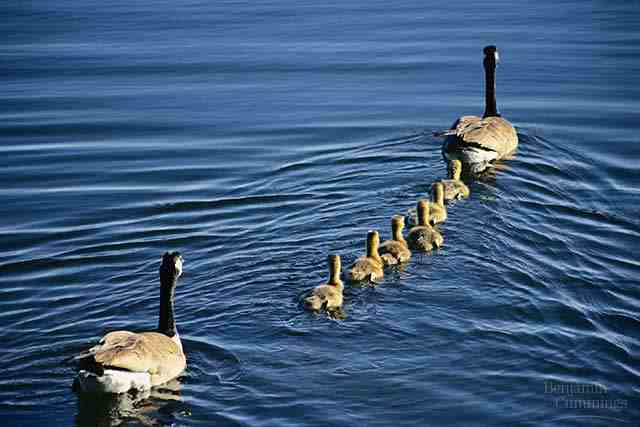
Imprinting is a type of psychological behavior best defined as any sort of phase-sensitive learning, which is a type of learning that occurs at a specific age or specific stage in life). It develops rapidly and is completely independent from behavior. Imprinting is described as when an animal or person learns specific behaviors or characteristics of a certain stimulus. A proximate cause for imprinting in young geese is the instinctive and innate response to imprint during the critical period (a time early in animal's life when it forms attachments and develops its own identity) in order to recognize its parent and its own species. The ultimate cause of filial imprinting in young geese is the need to acquire behavioral characteristics from its parent in order to survive and ensure that it will have the best opportunity of minimizing threats of survival (lack of food, predators, etc). 

http://anchaesmicasa.files.wordpress.com/2010/12/imprinting.jpg

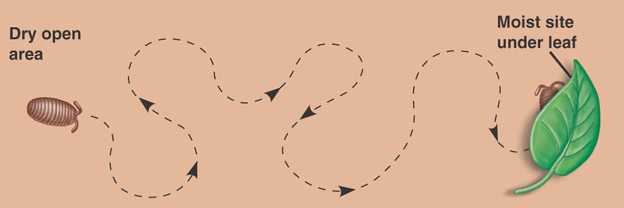
Taxis is a specific and directed motion in response to a stimulus. Taxis involves motion in the direction of a stimulus (positive taxis) or away from a stimulus (negative taxis). An example of taxis is when a male moth flies specifically in the direction of a female moth in response to her pheremones so that it can find a potential mate. Kinesis is a random and undirected response to a stimulus. An example of kenesis is when one turns on the lights and cockroaches scatter in any direction. Instead of going towards or away from a stimulus (light), it just causes them to go in whichever random direction. 

http://bio1151b.nicerweb.net/Locked/media/ch51/51_07Kinesis.jpg

A famous example of classical conditioning is Ivan Pavlov's experiment with dogs. Pavlov noticed that dogs began to salivate in response to a sound that has been paired with the presentation or symbol of food. He soon realized that this was a learned response. Classical conditioning involves a neutral stimulus (sound of a bag of dog treats rattling) with an unconditioned stimulus (taste of dog treats). The unconditioned stimulus then naturally triggers an unconditioned response, salivating. It is a type of learned behavior when a conditioned stimulus is paired with an unconditioned stimulus. Operant conditioning, on the other hand, focuses on using reinforcement and punishment to increase or decrease a certain behavior. An example of this is when an owner is teaching a dog how to fetch. If the dog chases after and retrieves the ball, the dog is rewards with a treat as a reward; If the dog fails to retrieve the ball, the owner does not reward it. Over time, the dog learns to associate which of his behaviors receives the desired reward. 

http://static.ddmcdn.com/gif/dog-training-18.jpg

With this in mind, we can have a better understanding in our observation of the pillbugs' behavioral responses to environmental changes such as moisture and acidity. 

HYPOTHESIS:  
If an environment is more moist, then pillbugs will prefer it because they are found mostly under rocks and in moist soil. If the environment is less acidic, then the pillbugs will prefer it because the soil they live in lack acidity and is more basic. In order to test this hypothesis, it is necessary for there to be choice chambers where one does not contain any moisture (control) and one that does. For the acidity/basic test, it is necessary for there to be choice chambers where one does not contain any vinegar (control) and one that does. That way results can be compared to the tested factors. 

 MATERIALS: 
  1. 10 Pillbugs
  2. Container
  3. Cotton
  4. Bedding material (for choice chamber)
  5. Choice chamber
  6. Choice chamber cover
  7. Timer

 PROCEDURE:
  1. Take a container along with some cotton.
  2. Go outside in damp areas (soil, under rocks, etc) to look for 10 pillbugs
  3. Place captured pillbugs in the containers and plug the container with cotton so the pillbugs don't escape. 
  4. Place thin bedding material in each of the choice chambers.
  5. Set  the pillbugs into the choice chambers carefully. 
  6. Choose two variables to be tested (for example: moisture and taste). 
  7. Observe the first variable by prepping the chambers.
  8. Cover the chambers.
  9. Check every 30 seconds and record data. 


.

RESULTS: 


CONCLUSION: 
The data collected as a result from this experiment fails to reject my hypothesis. Our data showed that pillbugs preferred moisture (independent variable) to dryness (control). Our data also showed that the pillbugs highly preferred an environment without acidity (vinegar/independent variable) as most of them migrated to the side of the choice chamber without the vinegar (control). The constants in this lab were the temperature, the number of bugs, and the same size of the choice chambers. Potential sources of error may include the pillbugs crawling under the bedding, unable to switch to a desired side, and the death of a pillbug. Both of these errors occurred in our experiment, but our data that we collected was prevailing enough to slighly overlook these errors. 


CITATION: 
 "Proximate and Ultimate Causation" Wikipedia: The Free Encyclopedia. Last modified 14 March, 2014. Accessed 12 April, 2014. http://en.wikipedia.org/wiki/Proximate_and_ultimate_causation

"Fixed Action Pattern." Wikipedia: The Free Encyclopedia. Last modified 2 April, 2014. Accessed 12 April, 2014. http://en.wikipedia.org/wiki/Fixed_action_pattern

"Imprinting." Wikipedia: The Free Encyclopedia. Last modified 21 March, 2014. Accessed 12 April, 2014. 

"My Life as a Turkey: Who's Your Mama? The Science of Imprinting." PBS: Nature. Accessed 12 April, 2014. http://www.pbs.org/wnet/nature/episodes/my-life-as-a-turkey/whos-your-mama-the-science-of-imprinting/7367/

Gleason, Dan. "Imprinting in Birds." Wordpress: Dan Gleason's Blog, Bird Information. Last Modified 2010. Accessed 12 April, 2014. http://dangleason.wordpress.com/avian-biology/172-2/

"Movement: Taxis and Kinesis." Sparknotes: Animal Behavior: Orientation and Navigation. Accessed 12 April, 2014. http://www.sparknotes.com/biology/animalbehavior/orientationandnavigation/section1.html

Cherry, Kendra. "Classical VS Operant Conditioning." About.com: Psychology. Accessed 12 April, 2014. http://psychology.about.com/od/behavioralpsychology/a/classical-vs-operant-conditioning.htm

Friday, March 7, 2014

Immune System Quiz

1.    Provides an immediate nonspecific immune response
a.     The innate, or nonspecific, response immunity is the defense in which humans are born with, protecting them against harmful antigens. It involves barriers including secretory molecules and cellular components. The innate immune system also acts as the first line of defense, present and ready to be action against intruders upon infection. It is not antigen specific and responds equally to a variety of harmful substances without tracking any biological memory of the harmful antigen. Some examples of the nonspecific immune response include the cough reflex, enzyme in tears and skin oils, mucus (traps bacteria and small particles), skin, and stomach acid. It includes the integumentary system (skin/mucus), respiratory system (trachea/nasal passages/lingings) , and digestive system (stomach acids and enzymes.
               

2.    Activates T and B cells in response to an infection
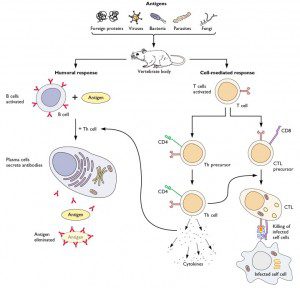
a.     Most of the immune system consists of white blood cells. White blood cells vary in many different types and of those types, the two most prominent are the lymphocytes (T Cells and B Cells). T cells (help activate B cells to divide into plasma cells, call in phagocytes to destroy microbes, and activate killer T cells)  are critical to the immune system and help destroy infected cells and stimulate overall immune response. The T cell possesses a molecule on the surface (T-cell receptor) that interacts with molecules called MHC (major histocompatibility complex). MHC helps the T cell recognize harmful antigens and is also on the surface of most other cells in the body. B cells have the ability to recognize free floating antigens, make antibodies that bind to antigens, and mark the antigen for destruction by cells from the immune system.  B cells can differentiate and produce into antibody. However, they rely on T cells to provide to signal to begin maturation. Once the signal is sent, the B cells produce plasma which in turn secretes large amounts of antibodies.


3.    Responds to a later exposure to the same infectious agent
a.     The adaptive immune system, the specific immune system, acts as second line defense after the innate immune system response and also provides protection to re-exposure to the same infectious agent. Unlike the innate immune system, the adaptive immune system requires some time to react against the invading organism. The adaptive immune system is also antigen specific and reacts only with the organism that induced the response. The adaptive immune system also demonstrates immunological memory, “remembering” (Portion of T and B cells differentiate into memory cells to quickly respond to the same antigen) that it has encountered the invading organism, reacting exponentially faster to the same exposure. Doctors take advantage of this memory to artificially induce defense against an antigen via vaccination.


4.    Distinguishes self from nonself
a.     Every body cell carries distinctive molecules that identifies itself.  The body’s immune system does not usually attack tissues that carry the self-identifying marker. It coexists with other body cells in a state called self-tolerance. When the immune system detects cells or organisms that carry “foreign” molecules, it immediately acts against them. Any tissue or cells from another individual (except from an identical twin) are rejected. This is why patients who taken on transplants must take anti-rejection medicine. The body will even reject proteins unless it is first broken down into its primary non-antigenic building block form. The body detects foreign objects by epitopes which protrude from the surface of the foreign organism. In abnormal situations, however, the immune system may misidentify itself as a foreign substance and carry an immune attack on it. This response is called autoimmune disease. Allergies occure because the immune system is being triggered (cat fur, pollen, etc.) to set off a response.


Monday, February 24, 2014

epinephrine podcast


http://answers.yahoo.com/question/index?qid=20110911175440AAnGyrv
http://learn.genetics.utah.edu/content/cells/fight_flight/
http://www.ncbi.nlm.nih.gov/books/NBK21718/
http://e.hormone.tulane.edu/learning/types-of-hormones.html
http://www.buzzle.com/articles/what-is-epinephrine.html

Epinephrine Podcast Transcript

1.      What gland is it produced in?
a.      The inner region, adrenal medulla, of the adrenal glands located on top of both kidneys.
2.      Chemical Pathway – what does this mean/Structure etc.
a.      Cells in the nervous and endocrine system work together in an environment of what our senses perceive as danger, stress, or threat, initiating the fight or flight response.
This elicits instantaneous and simultaneous responses throughout the body
b.      Sensory nerve cells pass the signal to the hypothalamus in the brain. Neurosecretory cells in the hypothalamus transmit a signal to the pituitary gland compelling the cells there to release a chemical messenger into the bloodstream. Simultaneously, the hypothalamus transmits a nerve signal down the spinal cord. The adrenal gland will receive both the chemical messenger and the nerve impulse.
c.      The adrenal glands (located on top of the kidneys) receive the signals initiated by cells in the hypothalamus, activating the release of epinephrine into the bloodstream.
d.      When chemical messengers arrive via the bloodstream, they dock on to receptors and begin cell signaling that results in the production of cortisol. Cortisol is released into the blood stream, resulting in an increase in blood pressure, increase in blood sugar levels, and suppression of the immune system and digestive system.
3.      Water soluble or Fat soluble and Structure – type and contrast it with the opposite type.
a.      Epinephrine is a water-soluble molecule derived from amino acids (the building blocks of protein). These hormones are stored in endocrine cells until they are needed. They act by binding to protein receptors on the outside surface of the cell. The binding alerts a second messenger molecule inside the cell that activates enzymes and other cellular proteins or influences gene expression.
b.      Most water-soluble hormones can travel freely in the blood because they "like" water. They are repelled by lipid and fatty structures such as the membranes that surround a cell and its nucleus. Because of this repulsion, these hormones generally bind to receptor sites on the outside of the cell and signal from there.
c.      Fat-soluble hormones, like the sex hormone steroids estrogens and androgens, are fat soluble and water repellent. They "like" lipid or fatty structures (such as those surrounding cells and are repelled by watery areas). Steroids generally travel to their target cells attached to a special carrier protein that is water soluble. (such as, sex steroid hormone binding globulin and serum albumin). The hormones detach before passing into the cell where they bind to receptors.
4.      Type of cellular receptor
a.      Epinephrine, which binds to two types of GPCRs, is important in mediating the body’s response to stress, when all tissues have an increased need for glucose and fatty acids. These principal metabolic fuels can poured into the blood in a matter of seconds by the breakdown of glycogen in the liver and of triacylglycerol in adipose storage cells.
b.      “In mammals, the liberation of glucose and fatty acids can be triggered by binding of epinephrine (or norepinephrine) to β-adrenergic receptors on the surface of hepatic (liver) and adipose cells. Epinephrine bound to similar β-adrenergic receptors on heart muscle cells increases the contraction rate, which increases the blood supply to the tissues. Epinephrine bound to β-adrenergic receptors on smooth muscle cells of the intestine causes them to relax. Another type of epinephrine receptor, the α2-adrenergic receptor, is found on smooth muscle cells lining the blood vessels in the intestinal tract, skin, and kidneys. Epinephrine bound to α2 receptors causes the arteries to constrict, cutting off circulation to these peripheral organs. These diverse effects of epinephrine are directed to a common end: supplying energy for the rapid movement of major locomotor muscles in response to bodily stress. As discussed in more detail later, β- and α-adrenergic receptors are coupled to different G proteins. Both β1- and β2-adrenergic receptors are coupled to G proteins (Gs), which activate adenylyl cyclase. In contrast, α1 and α2 receptors are coupled to two other G proteins, Gq and Gi, respectively. Gi inhibits adenylyl cyclase, and Gq stimulates phospholipase C to generate IP3 and DAG as second messengers.”
5.      What type of feedback loop is it?
a.      Positive.
6.      Action of hormone or its function – specific
a.      It regulates heart rate, blood vessel, air passage diameters, and metabolic shifts. It also controls our instinctive fight or fight response.
b.      After epinephrine is released, the supply of oxygen and glucose to muscles and the brain is increased. There is a rise in stroke volume (the volume or quantity of blood pumped by a ventricle due to a single heartbeat) and the heart rate increases. The hormone also dilates the pupils and constrict the arterioles present in the skin. The secretion of adrenaline also brings up the sugar level in the blood as well as suppressing the function of the immune system and digestive system.
7.      What is this regulated by?
a.      Epinephrine is regulated by the central nervous system. The sympathetic nervous system and the Adrenocorticotropic hormone both play important roles in the synthesis of epinephrine.